
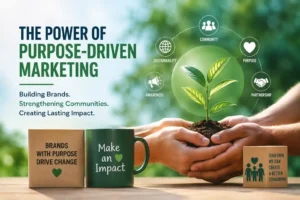
As businesses increasingly strive to make a difference in the world, purpose-driven marketing has emerged as a powerful tool for driving social impact. This marketing approach goes beyond traditional advertising strategies by aligning a brand’s values with causes that matter to its audience. By integrating purpose into their marketing strategies, businesses not only enhance their public image but also create lasting, positive change in their communities.
What is Purpose-Driven Marketing?
Purpose-driven marketing focuses on a brand’s mission beyond making a profit. It emphasizes aligning the company’s values with social causes that resonate with both the business and its customers. Instead of solely promoting products or services, purpose-driven marketing tells a story about a company’s commitment to making the world a better place. This can involve advocating for social justice, sustainability, education, health, or any other cause that aligns with the brand’s identity.
At the heart of purpose-driven marketing is the idea of fostering authentic connections with customers. It’s not just about selling a product; it’s about building relationships based on shared values. When customers feel that a brand supports the causes they care about, they are more likely to become loyal advocates and long-term supporters.
One organization, Soulu, exemplifies the impact of purpose-driven marketing. By partnering with brands, charities, and businesses, Soulu creates community-focused campaigns that generate long-term, meaningful social change. These campaigns help raise awareness, encourage people to take action, and foster a sense of belonging among those who are part of the cause.
Building a Stronger Brand with Cause Marketing Campaigns
Cause marketing campaigns not only support social causes but also strengthen brand trust and loyalty. When companies invest in causes that reflect their values, they demonstrate their commitment to making a real difference in the world. This strengthens their reputation and encourages consumer trust, which ultimately boosts customer loyalty and lifetime value.
The most effective cause marketing campaigns are those that are integrated into the brand’s core identity. For example, a company that prioritizes environmental sustainability might develop campaigns that focus on reducing waste, conserving resources, or supporting eco-friendly initiatives. These campaigns should be authentic and align with the brand’s values, ensuring that they resonate with the audience.
There are several cause marketing examples where brands have successfully engaged with their customers while supporting meaningful causes. Companies like Patagonia have made sustainability a cornerstone of their brand, and their advocacy for environmental issues has strengthened their connection with customers. Similarly, TOMS Shoes has built a global brand around the idea of “One for One,” where each purchase helps provide shoes to those in need.
The key to success in purpose-driven marketing is to ensure that campaigns are impactful, authentic, and aligned with long-term social change. This requires strategic planning, continuous engagement with stakeholders, and a commitment to the cause even after the campaign ends. With the right approach, businesses can create long-lasting relationships with their customers while driving social impact.
Scaling Social Impact through Collaborative Partnerships
For businesses seeking to scale their social impact, collaboration with like-minded organizations can help amplify their efforts. This is where the power of partnerships comes into play. By working together with charities, nonprofits, and other brands that share similar values, companies can pool their resources and expertise to create larger, more impactful campaigns.
These partnerships also help businesses expand their reach. While a company might have a loyal customer base, collaborating with other organizations can introduce the brand to new audiences who are passionate about the same causes. Furthermore, when brands work with trusted nonprofit partners, they increase credibility, as these organizations often have strong community ties and established reputations.
One example of this approach is Soulu’s work with businesses and charities to build scalable cause movements. By leveraging these collaborations, Soulu helps businesses enhance their social impact and build long-term, meaningful relationships with their customers. Whether it’s through donation-based campaigns, volunteer programs, or community engagement activities, companies that collaborate on these initiatives create a larger ripple effect of positive change.
In conclusion, purpose-driven marketing is not just a trend but a powerful way for businesses to make a lasting social impact. By aligning brand values with meaningful causes, businesses can foster trust, build customer loyalty, and contribute to positive societal change. With the right strategies, cause marketing has the potential to create sustainable, long-term benefits for both businesses and the communities they serve.